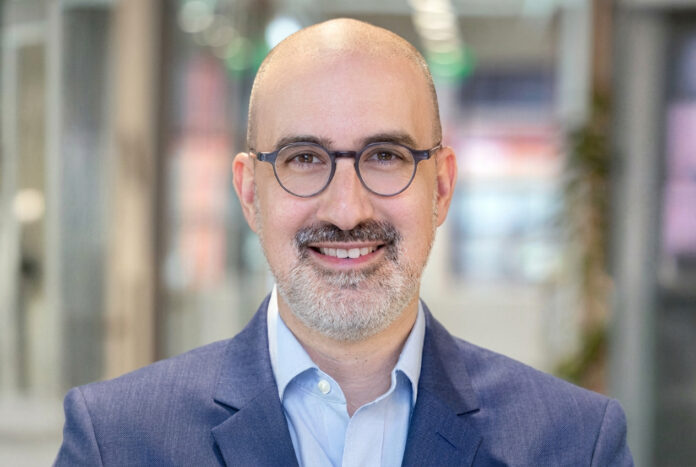
Ron Kutas, CEO of OneWall Communities, on why insurance premiums, tariffs, and rising CapEx aren’t surprises if you’ve been running your portfolio like an owner.
There’s a version of property management where you don’t think too hard about the expense side until you have to. Plenty of operators ran that playbook through the low-rate years and got away with it. Those days are over.
Insurance premiums in Sun Belt markets have climbed more than 129% since 2018. Tariffs on steel and aluminum are adding 50% or more to the cost of HVAC replacements and appliances. And across a growing number of portfolios, the capital expenditure assumptions that made a deal pencil out in 2021 look nothing like the reality operators are living with today.
Ron Kutas, CEO of OneWall Communities, has been watching this shift accelerate – and says it isn’t catching his team off guard.
“For us, it doesn’t change that much in terms of how we think about it, because we’ve been ahead of the curve in our owner-operator mentality,” Kutas explains. “We’re looking at each line item on the expense side. We’ve built in cost increases – both because of inflation and the tariff expectations – in our maintenance and repairs and our CapEx line items.”
The discipline, he argues, isn’t a reactive adjustment. It’s structural. OneWall’s 3rd party management services are built around the same financial lens the firm has applied to its own assets for fifteen years: every dollar spent needs to be justified against its impact on the property, the residents, and the ownership group’s investment thesis.
What Transparency Actually Buys You
For ownership groups evaluating management companies, expense budgets are often where negotiations get uncomfortable. A management company with higher maintenance and repair estimates or a more conservative CapEx line can look expensive on paper. Kutas sees this as a filter, not a problem.
“When we give a budget, we have higher M&R expenses than other management groups that are trying to win the bid, and we’re not afraid to tell ownership that our expenses are going to be higher because we see it this way,” he says. “An owner who may have chosen a different management company is probably seeing that we were right.”
That transparency extends to how OneWall structures its management agreements. Every technology point solution is itemized, with no markup. Owners see exactly what the tech stack costs and choose what they want to adopt. The model, Kutas says, is designed to make the management relationship work over the long term – not to extract margin from the expense line.
Insurance as an Operations Problem
Rising insurance costs are increasingly shaping which deals OneWall pursues and how it manages the ones it takes on. Kutas says soft pricing insurance has always been a standard part of due diligence, whether the firm is evaluating a potential acquisition or a new 3rd party management contract.
“Different states, different geographies have wildly varying insurance costs,” he says. “We go into it eyes wide open. It does impact underwriting at the end of the day.”
At the operational level, managing insurance exposure starts with the basics that too many operators skip: staying ahead of preventative maintenance, addressing deferred issues before they compound, and building accurate CapEx plans that reflect the real age and condition of the asset. In markets where premiums are climbing fastest, day-to-day operational discipline isn’t just about resident satisfaction – it’s directly tied to one of the fastest-growing line items on the expense ledger.
The Real Cost of Getting It Wrong
For Kutas, the most persistent misconception he encounters is the idea that cutting expenses is synonymous with improving NOI. The math doesn’t support it – and the harder question is why so many operators still believe it.
“If you have a team that’s overworked, burnt out, doesn’t have enough resources, is underpaid – how would you expect them to collect the rent, fill the vacancies, control the expenses?” he says. “You need to invest in your people because they will take care of the residents leasing the homes. And that in turn drives the top line and motivates them to manage the bottom line.”
The same logic applies to the cost categories that are easiest to cut on paper and most expensive to recover from in practice. A vacancy is not just a vacancy. A maintenance backlog isn’t just deferred cost. In workforce housing, where margins are tighter and residents are more sensitive to service quality, the ripple effects of underfunding the right line items move through the asset faster than most underwriting models account for.
It’s a lesson, Kutas notes, that doesn’t come from a spreadsheet. It comes from owning the asset yourself.
Property management is complex, and the best solutions come from shared incentives. Whether you’re exploring new approaches or facing specific challenges, we’re here to talk. Visit us at onewallcommunities.com or call us at (646) 596-7068.
Disclosure: Individuals or companies mentioned may have a commercial relationship with KeyCrew.