
Delaware’s residential real estate market is cooling after several years of intense competition. Inventory is rising, and bidding wars are becoming less common. As the pace slows, a new concern is emerging: an increase in inexperienced real estate agents entering the industry without a strong grasp of contract law, transaction procedures, or client representation.
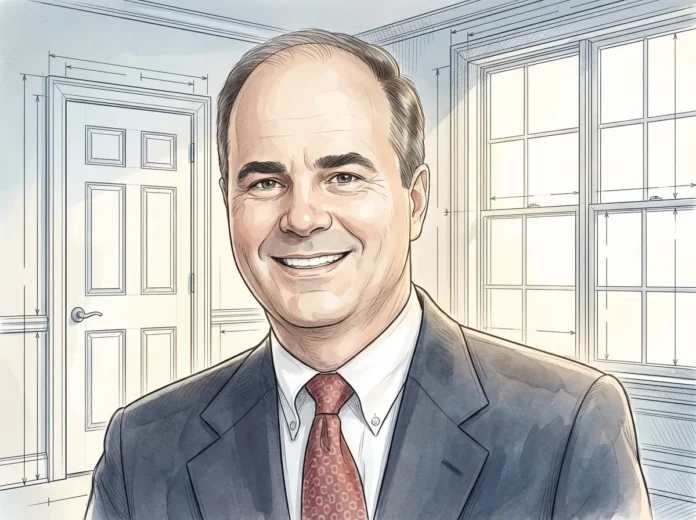
George Manolakos, an associate broker with Patterson-Schwartz Real Estate who has worked in Delaware since 1988, recently encountered these challenges during a million-dollar sale in Middletown. A straightforward cash transaction became complicated due to the buyer’s agent’s inexperience and poor communication.
The agent sent pre-approval letters for a cash deal, failed to attend the home inspection, and requested an appraisal despite the absence of a mortgage contingency. At closing, tempers flared.
“There was arguing and hollering at the settlement table, which I really hadn’t ever encountered before,” Manolakos recalls. He attributes the chaos to the agents’ inexperience and misunderstanding of standard procedures.
Cooling After Peak Years
Delaware’s housing market has shifted significantly since the peak frenzy of 2021 to 2023. During that period, most properties priced between $250,000 and $450,000 attracted multiple offers within days, regardless of condition.
“It used to be every house, regardless of condition, would be met with multiple offers, and the prices would get bid up,” Manolakos says. “Now it’s not just anything. You’re seeing houses stay on a little longer.”
Today, buyers are more selective. Properties needing major updates, including roofs, kitchens, bathrooms, and HVAC systems, are staying on the market longer. Homes with updated systems still attract strong interest, but outdated properties face tougher negotiations.
“If you see a house that’s got three of the five major systems updated, that should move quickly. If everything’s old, people are going to negotiate more,” Manolakos explains.
Mortgage Lock-In Effect
One of the main forces slowing the market is the mortgage rate lock-in effect. Many Delaware homeowners refinanced or purchased homes at historically low rates between 2% and 3%. They are reluctant to move to current rates near 6%.
As a result, fewer homeowners are listing properties. This limits inventory and slows transaction volume.
“I’ve had a couple of people who saw houses they liked and want to move because their families are expanding, but the interest rate is so low that they’re going to persevere,” Manolakos observes.
He believes most homeowners will remain in place until rates drop closer to 5%. This reluctance is especially noticeable among younger buyers who have never experienced historically high mortgage rates. “When I tell them that my first mortgage was fourteen and a half percent, they look at me like I’m out of my mind,” Manolakos notes.
Buyer Behavior Changes
Despite national concerns about affordability, Manolakos sees a more nuanced situation in Delaware. The state offers programs for first-time buyers, including lower mortgage rates and reduced transfer taxes. “I think the misconception is that it’s unaffordable, and I think a lot of it is priorities,” he says.
He describes meeting young buyers with high incomes who carry significant consumer debt. Some arrive with expensive vehicles and high monthly payments, which limit their ability to save. “There’s no financial planning or budgeting I see with a lot of people. They make a lot of money, and they just spend it. There’s no prioritization,” he says.
This behavior contrasts with earlier generations that prioritized saving for homeownership. Easy access to credit and a culture of immediate spending make it harder for some buyers to save for down payments or handle unexpected costs.
Agent Experience Gaps
As the market normalizes, the influx of inexperienced agents is creating new risks for buyers and sellers. Manolakos has observed gaps in contract knowledge, negotiation skills, and procedural understanding. During the Middletown transaction, the buyer’s agent allowed clients to move belongings into the property before closing. This is a serious violation that can result in license suspension.
When Manolakos raised the issue, the agent did not understand the concern. “There’s a fundamental misunderstanding and lack of knowledge on the buyer side,” he says. These issues are particularly concerning in high-value transactions. Buyers may assume their agents are experienced, but that is not always the case.
Economic Stability Holds
Despite these challenges, Delaware’s economic fundamentals remain strong. The state’s banking and financial services sector continues to provide stable employment. “We haven’t had any major companies leaving the area,” Manolakos says. “The workforce is stable.” This stability, combined with rising inventory, suggests the market is moving toward balance rather than decline.
Market Outlook Ahead
As Delaware’s housing market continues to cool, interest rates and inventory levels will shape its direction. If rates fall closer to 5%, more homeowners may choose to sell. Until then, limited inventory will persist.
For buyers, the market offers more choices and negotiating power. However, working with experienced agents is increasingly important. Inexperienced representation can turn a routine transaction into a costly mistake.
The rapid price growth and bidding wars of the pandemic era have ended. The market now reflects more cautious buyers, deliberate decisions, and a greater need for professional expertise.
About the Expert: George Manolakos is an associate broker with Patterson-Schwartz Real Estate, specializing in residential real estate across Delaware. With decades of experience since 1988, Manolakos provides clients with deep market knowledge and a focus on navigating complex transactions.
This article is based on information provided by the expert source cited above. It is intended for general informational purposes only and does not constitute legal, financial, or real estate advice. Readers should conduct their own research and consult qualified professionals before making any real estate or financial decisions.