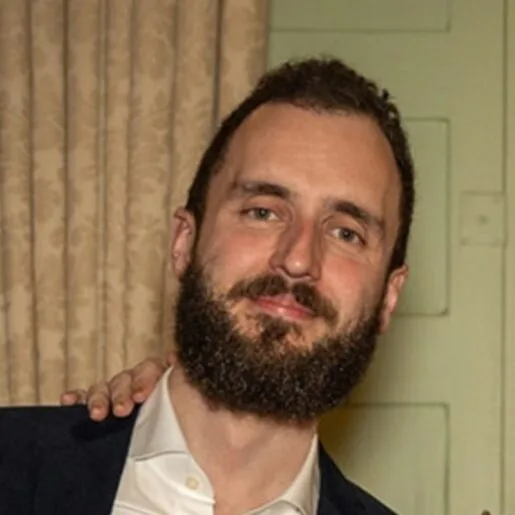

According to Brandon Wise, co-founder and CEO of Wise Agent, one of the most persistent and damaging behaviors in real estate is the cycle of investing in systems when business is slow, then abandoning them the moment things get busy. In an interview, Wise observed that agents who break this pattern — those who market consistently regardless of how full their pipeline is — are the ones who outperform their peers over time, survive market downturns, and build referral-driven businesses that compound year after year. The agents who don’t, he argues, are destined to keep starting over.
Boom-Bust Cycle Explained
Most real estate agents follow a predictable and damaging pattern: when business slows, they open their CRM, build campaigns, and work their database. When their phone starts ringing, all of that stops. “The problem that we see all the time is when they have time, they start digging in, and they do the marketing, and then they get busy, and they stop doing the marketing, and then it slows back down,” Wise says.
The consequence goes beyond lost time. Every interruption in marketing resets the clock on future business, eroding the compounding relationship equity that drives referrals and repeat transactions. Agents who recognize this pattern and refuse to participate in it are the ones who build stable, growing businesses — instead of riding an income rollercoaster year after year.
Independent Contractors Face Unique Pressure
The root of the boom-bust cycle is structural. Real estate agents are independent contractors — no manager is enforcing CRM usage, no performance review tied to marketing consistency, and no organizational consequence for abandoning a drip campaign mid-cycle. As Wise puts it, “each realtor is an independent contractor, and so they have to have their own motivations. They get sidetracked a lot, and just never take time to learn the platform and to implement it.”
This creates a technology adoption challenge unlike most other industries. In a corporate environment, software adoption can be mandated. In real estate, it competes directly with the immediate reward of showing a house or closing a deal. Add to that the constant noise of industry lawsuits, brokerage acquisitions, and commission debates, and an agent can spend an entire day talking about real estate — without making a single productive client call.
Today’s Listings Come From Years Ago
One of the most underestimated truths in real estate is that the business an agent closes today is almost always the result of a relationship cultivated years earlier — not a lead purchased last month. “It’s not about how many leads I can buy,” Wise says. “What I did three years ago is the houses I’m listing now. It’s a long-term game.”
This reframing also changes how agents should approach slow markets. A downturn isn’t just a hardship — it’s an opportunity to build the systems and database infrastructure that will generate listings when transaction volume returns. Wise notes that the current market has made this clearer than ever: the top 10% of agents who are still closing deals are overwhelmingly those using systems consistently, and struggling agents are taking note and beginning to follow their lead. “They’re looking at people doing the work, and those guys are being very open — I have a system, and that’s the only way, because it’s all about being consistent.”
Consistency Builds the Full Ecosystem
The top producers in any market share one defining trait: they market even when they’re busy. “The ones that are doing well are consistent,” Wise says. “They market even when they’re busy. They market when they’re slow. And they get consistent business instead of the big ups and downs.”
The practical implication extends beyond the transaction itself. By staying in touch with past clients long after the sale, agents can become the go-to resource for everything related to homeownership — referrals for contractors, timely tips on aging roofs or HVAC systems, and neighborhood updates. “Way after I sell you the house, I want you to think of me for anything about real estate, anything about the neighborhood,” Wise says. “You use technology to scale it, but the human touch is still what wins.” Agents who internalize this principle stop experiencing dramatic income swings and start building the kind of referral-driven business that grows stronger with every passing year.