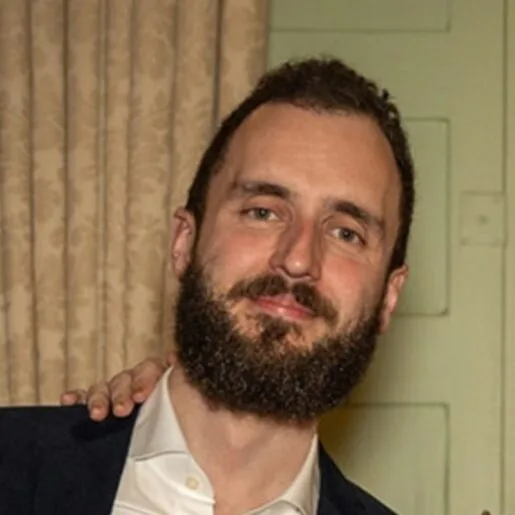

The residential real estate industry is consolidating transaction activity among a shrinking share of agents, while most licensees have no active business. Ricky Carruth, Chief Housing Analyst at RLTYco and a former top-producing agent, says this change has become both dramatic and rapid. Ten years ago, 82 percent of agents managed at least two active listings. Today, 71 percent have no listings and are closing no deals.
“Ten years ago, 82% had two listings or more, and today, 71% have no listings,” Carruth says. He adds that the divide between top producers and inactive agents is widening quickly, with the pace of change accelerating each year.
This reversal reflects a gradual decline in viability for agents who have not updated their business models to keep pace with technological and market changes.
How Technology Widens the Gap
Carruth attributes the growing gap to uneven adoption of technology and systematic client management. Agents who have invested in scalable systems for relationship-building and market positioning are capturing a disproportionate share of transactions. Those who rely on traditional prospecting methods such as cold calling, open houses, and sporadic outreach face shrinking opportunities.
“Technology and communication and AI are advancing so fast,” Carruth says, allowing adaptable agents to close more deals in less time and take market share from those who lag.
The technology advantage extends beyond lead generation. It includes client retention systems, automated follow-up, data analysis, and ongoing market engagement. Agents with these systems maintain regular contact with past clients and prospects, converting more of their database into transactions. Those without such infrastructure must compete for a dwindling pool of uncommitted leads.
As top agents accumulate more transactions, they gain resources and visibility that draw higher-quality leads and referrals. Their market presence compounds over time, making it easier to win additional business. Agents lacking these systems face fewer opportunities and less capacity to invest in the tools needed to improve.
How Slow Markets Hurt Inactive Agents
The past three years have seen the slowest transaction volume since the 1990s, exposing agents who relied on favorable market conditions rather than systematic business practices. When sales were high, even agents with weak systems could earn a living. As volume dropped, those without strong client databases and relationship infrastructure had no cushion.
Carruth notes that lower sales volume, combined with accelerating technology adoption, has created an especially difficult environment for agents who have not adapted. This has produced a growing number of licensed agents who are effectively inactive, holding licenses but earning little or nothing from real estate.
This trend is national and global, not confined to any region or price segment. Carruth, who coaches agents across the U.S. and internationally, sees the same pattern everywhere: agents with systematic, scalable businesses are thriving, while others are falling behind regardless of local market conditions.
How Brokerages and Buyers Are Adjusting
The concentration of business among fewer agents is forcing changes in how brokerages operate and how consumers choose representation. Brokerages are under pressure to focus resources on supporting a few highly productive agents, shifting away from mass recruiting and toward retaining and developing top performers.
Consumers are also becoming more selective. Buyers and sellers increasingly seek out proven professionals with clear track records rather than working with whoever is available. This behavior further concentrates business among top agents, as reputation and results become more important in the selection process.
The idea of real estate as an accessible entry-level career is also under strain. With 71 percent of agents earning no income, the profession is effectively closed to those who cannot quickly reach the performance level needed to survive.
Top 10% Will Lead
Carruth predicts that the divide will only widen over the next decade, with 90 percent of agents effectively losing relevance in the market. He clarifies that agent count may not drop significantly, but only the top 10 percent will control meaningful market share.
“I think we’re going to lose a good 90% of agents, and I’m not talking about agent count,” Carruth says. “Maybe agent count stays the same, but this gap between agents that are crushing it and not is going to continue to get wider, and you’re only going to have the top 10% agents who are actually making all that money.”
Carruth bases this outlook on the accelerating forces of technology adoption, systematic client management, and market positioning. Agents who have not built scalable systems face an increasingly difficult path. Those who have are positioned to capture a larger share of a growing transaction pool. Carruth also points to rising transaction volume ahead, driven by pent-up demand from millennials and Gen Z buyers, population growth, and a growing inventory of existing homes. More transactions at higher prices, combined with fewer active agents, he argues, will create a supply-and-demand imbalance that rewards the professionals who remain.
What This Means Going Forward
Carruth argues that agents who want to remain in that top tier should focus on compounding relationships, consistent client communication, and long-term business building rather than chasing short-term leads. These are the foundations, he says, that separate active producers from the growing share of licensees who earn little or nothing from real estate.
Real estate is becoming less accessible as a casual or part-time career and more demanding for those who want to remain active in it. Agents who invest in scalable systems and ongoing client relationships will have a path forward. Those who do not may find themselves locked out of the industry’s core business.
Brokerages and consumers are already adjusting, prioritizing track record and market presence over agent count. As technology and market expectations continue to evolve, the profession will reward those who adapt. The next decade will likely cement this new reality, redefining what it means to be a successful real estate agent.