The debate over “software versus services” misses the point. The real question is: where does decision quality live in your organization?
The Wrong Question
When someone asks whether you’re a software company or a services company, they’re asking the wrong question.
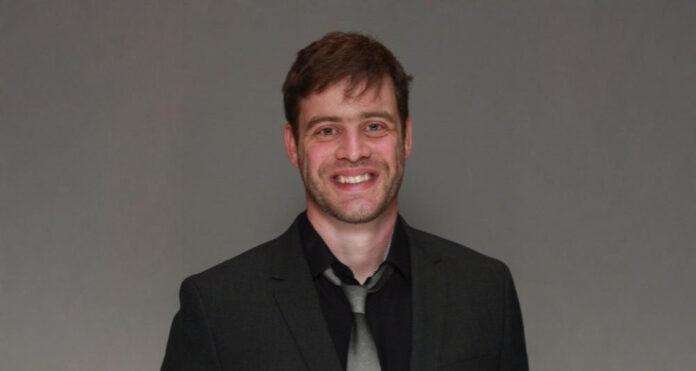
As Ben Handelman, Director of Automation & Operational Intelligence at Keasy, observes: “I get asked a version of this question a lot.” The question being: Are you a software company or a service company?
Ben’s response cuts through the noise: “That debate misses the point. The label doesn’t tell you where value is created.”
Instead, he poses a more useful question: “Where does decision quality live?”
Ben explains the critical distinction: “In some companies, decision quality lives in people. When those people leave, quality leaves with them. In others, decision quality lives in systems. People may change, but outcomes remain consistent.”
That structural difference, Ben notes, “matters far more than the label.”
What Full-Stack AI Actually Means at Keasy
Ben is clear about how Keasy approaches this: “At Keasy, we’re very intentional about this line.”
He explains the philosophy: “Services are the delivery. The value lives in the system. We don’t try to eliminate services. We design services as the final mile, not the decision layer. The system decides.”
Then comes the crucial addition: “Humans execute where software cannot physically act, or where empathy, authority, and compliance matter.”
For Ben, this distinction becomes clear over time: “This distinction is subtle early on. At scale, it defines margins and velocity.”
How Keasy Thinks About Full-Stack AI
Ben describes what “full-stack” actually means for Keasy: “For us, it doesn’t mean replacing people. It means being intentional about where judgment lives.”
He contrasts this with traditional models: “In most property management setups, judgment sits with individuals. Someone reads the situation. Someone decides what matters. Someone figures out what to do next.”
The problem? “AI might help with drafting or responding, but the decision itself is often recreated each time.”
Ben outlines Keasy’s different approach: “At Keasy, we’re building toward a different model. When the same situation happens twice, it shouldn’t require fresh judgment the second time.”
Instead, the system should:
- Recognize the event
- Apply known rules and thresholds
- Decide the next step
- Identify when human involvement is required for empathy, authority, or compliance
As Ben emphasizes: “People are essential in this model. They handle conversations, edge cases, and real-world nuance. The difference is that they’re operating with context, not improvising from scratch.”
The key outcome: “If a person steps away, the playbook remains. Decisions stay consistent.”
Ben summarizes what full-stack means at this stage: “That’s what ‘full-stack’ means to us at this stage: Not automation everywhere, but centralizing judgment so it can compound over time.”
Where People Still Matter Most
Ben is clear that this approach doesn’t diminish the role of humans—it clarifies it.
He notes that humans remain essential for specific situations: “Humans execute where software cannot physically act, or where empathy, authority, and compliance matter.”
In Ben’s view, people handle what AI cannot: “They handle conversations, edge cases, and real-world nuance.”
The critical difference from traditional models: “The difference is that they’re operating with context, not improvising from scratch.”
Why This Structure Matters
Ben returns to a fundamental principle: “The reason this matters is simple: Decisions can compound. Labor cannot.”
He explains what this means for property management specifically: “Property management has been people-driven for decades. We’re building toward a system-driven model, with humans used deliberately where they matter most.”
The Practical Challenge: Resisting Services Creep
Ben doesn’t sugarcoat the difficulty: “The hard part isn’t demand. It’s resisting services creep. Every edge case wants a human. Every shortcut wants labor. Every growth jump tests discipline.”
This is the real test of a system-first approach. When volume increases or complexity rises, the temptation is always to throw more people at the problem.
Ben outlines what winning looks like: “The companies that win will be the ones where: Human judgment per unit goes down as they grow. Decisions live in systems, not people. Services exist to execute, not to think.”
What Sets Keasy Apart
At Keasy, the architectural choice is deliberate. As Ben puts it: “Services are the delivery. The value lives in the system.”
This means that while Keasy employs people to handle physical tasks, tenant conversations, and situations requiring empathy or authority, the intelligence layer—the decision-making framework—lives in the system itself.
Ben describes the approach: “We don’t try to eliminate services. We design services as the final mile, not the decision layer.”
The result is what Ben sees as a fundamental shift: “Property management has been people-driven for decades. We’re building toward a system-driven model, with humans used deliberately where they matter most.”
Looking Ahead
The property management industry is at an inflection point. Traditional models rely on constantly recreating judgment. As Ben observes, this creates a fundamental constraint: “Decisions can compound. Labor cannot.”
The companies that understand this distinction—that architect their operations around system intelligence rather than individual expertise—will have a structural advantage as they scale.
As Ben concludes: “That’s what ‘full-stack’ means to us at this stage: Not automation everywhere, but centralizing judgment so it can compound over time.”
The question isn’t whether AI will transform property management. It’s whether companies will build with intention around where judgment lives—or whether they’ll keep recreating it, person by person, decision by decision.
Disclosure: Individuals or companies mentioned may have a commercial relationship with KeyCrew.